Louisville Hoops: Can Tradition Lure Top NCAA Coaches?
The University of Louisville men’s basketball program stands at a crossroads, navigating a treacherous landscape shaped by unprecedented changes in college athletics. For decades, the Cardinals' job was synonymous with prestige, a beacon for ambitious coaches seeking to etch their names into basketball history. Yet, as the institution embarks on another pivotal coaching search, a fundamental question emerges: Does the revered tradition of Louisville hoops still possess the magnetic pull to attract the nation's elite coaching talent, or have the seismic shifts in the NCAA—particularly the rise of "mega-conferences"—redefined what constitutes a truly desirable coaching position?
The Shifting Sands of College Basketball Coaching
Evaluating new coaching hires has always been one of college sports' most vexing challenges, a sentiment echoed by pundits who've witnessed numerous high-profile appointments falter. The path to sustained success is rarely linear, and even coaches with impressive pedigrees can struggle when the fit isn't right or the environment proves too demanding. We've seen examples across the NCAA, where promising careers hit unexpected roadblocks. Whether it’s a coach who struggled to gain traction in a new conference or one who couldn't replicate past glories, the common thread is the immense difficulty in predicting long-term success in the ever-evolving collegiate ecosystem.
In this new era, the very definition of a "good coaching job" is undergoing rapid alteration. The advent of significant conference realignment, particularly the consolidation of power and wealth into two dominant "mega-conferences"—the Big Ten and the Southeastern Conference (SEC)—has fundamentally reshaped the competitive hierarchy. What was once a clear pecking order based on historical prestige and fan fervor is now heavily influenced by financial might, media rights, and the sheer competitive depth of these concentrated leagues. For a visionary in NCAA coaching market, the strategic implications are profound.
Louisville's Storied Tradition: A Double-Edged Sword?
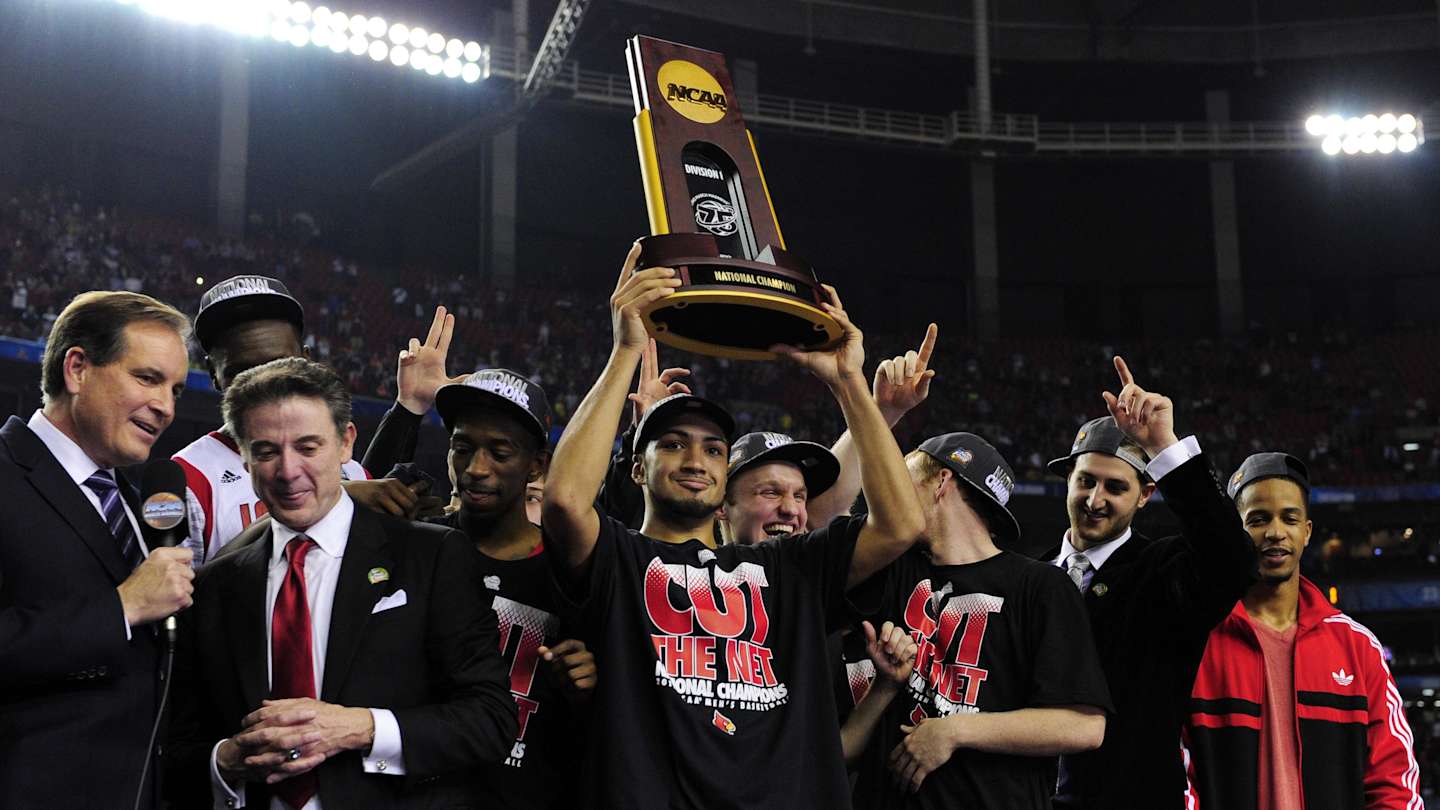
Louisville's basketball program is steeped in glory. With multiple national championships, countless conference titles, and a passionate, historically robust fan following that fills the cavernous KFC Yum! Center, the Cardinals' job has traditionally been viewed as one of the sport's crown jewels. For a coach who reveres history and understands the weight of expectation, the allure of restoring such a storied program to its former glory is undeniable. This deep-rooted tradition, the fervent support, and the sheer scale of the program have always been Louisville's undeniable strengths, factors that aspiring coaches once prioritized above almost all else.
However, the current collegiate landscape presents a new calculus for coaches. The very same tradition that makes the job so appealing can also generate immense pressure. Inheriting a program with such high expectations, especially one that has recently stumbled, means every misstep is magnified. Moreover, the landscape has introduced new variables: Name, Image, and Likeness (NIL) collectives and the transfer portal have become as crucial as Xs and Os. A comprehensive approach to program building—what we might describe as effective bowman hoops ncaa strategy—now demands mastery of these off-court elements in addition to on-court tactics.
For many prominent coaches, the attraction to "Mega 2" league jobs has grown exponentially. Names often floated by Louisville supporters, such as Alabama's Nate Oats, Arkansas' Eric Musselman, Auburn's Bruce Pearl, and Baylor's Scott Drew, now helm programs that, not long ago, would have been considered a tier below Louisville. The perception has shifted; these coaches are not just successful, they are successful within leagues that offer unparalleled resources, exposure, and a clear pathway to consistent top-tier competition. The question for Louisville is whether its superior hoops tradition and robust fan base can still make the same impact in attracting a coach that it might have done in the past, especially when competing against the consolidated power and revenue of the Big Ten and SEC. This dilemma forms the core of Louisville's coaching search.
The Price of Poaching: Buyouts and Power Plays
Beyond the allure of "Mega 2" league status, there's the very practical matter of financial commitment. Poaching a top coach from a successful program in a power conference isn't merely about convincing them to leave; it's about navigating formidable buyouts that run into the tens of millions. As of recent reports, enticing Nate Oats from Alabama could cost upwards of $10 million, Bruce Pearl from Auburn $8.5 million, and even UCLA's Mick Cronin a staggering $16 million after April 1st. These figures represent a significant barrier, not just in terms of financial outlay but also in signaling the commitment required to secure elite talent.
If you're an SEC head men's hoops coach like Oats or Pearl, or soon to be a Big Ten head man like Cronin, the factors that have traditionally made Louisville an attractive situation must now trump the undeniable advantages of coaching in a "Mega 2" league. These advantages include a more stable and lucrative revenue stream, greater national media exposure, and a perceived easier path to attracting top recruits and transfer portal talent who are increasingly looking for a direct route to the highest levels of collegiate competition and, eventually, the pros. A savvy bowman hoops ncaa strategist would recognize that the long-term security and upward mobility offered by a "Mega 2" league job might outweigh even the most storied traditions of a program in a less dominant conference.
Crafting a Vision for the Future: More Than Just History
For Louisville to effectively compete for and secure a top-tier coach, the administration (President Kim Schatzel, Athletic Director Josh Heird, and others) must present a compelling vision that transcends nostalgia. It's not enough to simply lean on past glories; the focus must be on a comprehensive, forward-looking plan that addresses the realities of modern college basketball. Here are some actionable considerations:
- Strategic NIL Support: A robust and transparent NIL collective, fully supported by the university, is non-negotiable. Coaches need to be confident that they can recruit and retain talent with competitive NIL opportunities.
- Mastering the Transfer Portal: Success in the current climate often hinges on adeptly navigating the transfer portal. The new coach will need the resources and administrative backing to rebuild rosters quickly and effectively.
- Long-Term Stability and Commitment: A clear, unified vision from the top leadership is crucial. Any perception of instability or a short leash will deter top candidates who are likely seeking a long-term project. The administration must demonstrate patience and a willingness to invest beyond the initial hire.
- Competitive Compensation: While buyouts are steep, Louisville must be prepared to offer a competitive salary and benefits package that signals their commitment to elite-level basketball.
- Modern Facilities and Support Staff: While tradition runs deep, up-to-date facilities, cutting-edge analytics, and a strong support staff (sports science, academic support, player development) are essential for attracting and retaining talent.
A true bowman hoops ncaa perspective understands that while tradition provides a powerful foundation, the superstructure must be built with modern materials. Louisville needs to offer a coach not just a prestigious title, but a clear pathway to success in the current environment, backed by significant resources and unwavering institutional support.
The Louisville men's basketball coaching search is more than just about finding a new leader; it's a fascinating microcosm of the dramatic transformations sweeping through big-time college athletics. While Louisville's tradition, fan fervor, and historical significance remain potent assets, the gravitational pull of "mega-conferences" and the financial might they wield present unprecedented challenges. The ability of the Cardinals to attract a top-tier coach will serve as a fascinating barometer for just how much the fundamental attractiveness of a coaching job has evolved. For a program to reclaim its place at the pinnacle of college basketball, it will require not just reverence for its storied past, but an astute, innovative, and well-resourced embrace of the future of bowman hoops ncaa.